
Factory and packing jobs in Japan attract thousands of foreign workers every year. The roles often offer stable employment, straightforward tasks, and competitive pay by local standards.
This article is for anyone aiming to enter Japan’s manufacturing workforce, whether from abroad or already living in the country.
By understanding the real hiring process, requirements, and application strategies, new job seekers can avoid common pitfalls and improve their chances of success.
Why Work in Factories and Packing in Japan?
The manufacturing sector in Japan is known for reliability and job security. Many factories offer benefits that generic part-time jobs may lack.
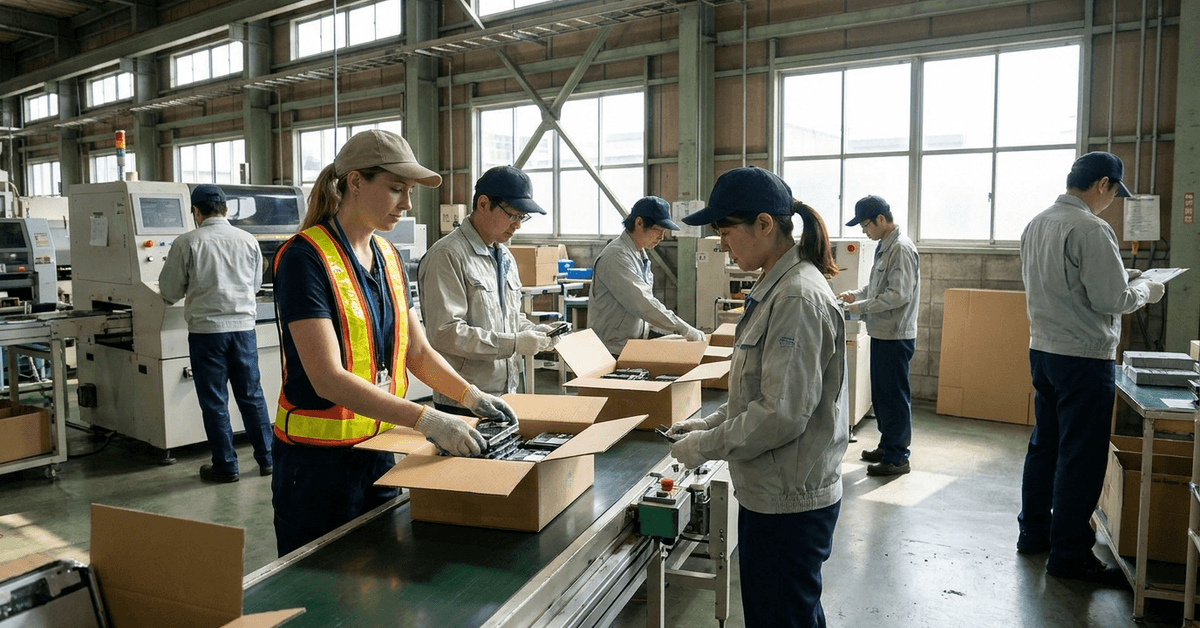
Stable Wages
Most factory jobs pay by the hour or month. Compared to retail or food service, wage rates are often higher for night shifts or overtime.
- Hourly pay can range from 1,000 to 1,400 yen in cities like Nagoya and Osaka.
- Some companies offer additional bonuses for consistent attendance or reaching production targets.
Job Availability
Large cities such as Nagoya, Yokohama, and Hiroshima have significant clusters of manufacturing plants. Many jobs don’t require advanced Japanese language skills, especially for packing and line work.
Simple Entry Requirements
Basic factory work typically has minimal educational requirements. With the right visa, new arrivals or residents can apply.
Work Visa and Eligibility Essentials
Before applying, confirming your work visa status is essential. Japan tightly controls legal employment for foreigners, and unauthorized work risks deportation.
Types of Work Visas
- Specified Skilled Worker (Tokutei Ginou) – This special status targets manufacturing roles and packing jobs.
- Technical Intern Training (Gino Jisshuu) – Designed for foreign trainees from selected partner countries, mainly in Asia.
- Student and Spouse Visas – Holders of these may be allowed to work part-time, with restrictions.
Research visa conditions through the Immigration Services Agency of Japan or consult with your nearest Japanese embassy. This avoids major legal risks.
Where to Find Factory and Packing Jobs
Japan’s factory job market is accessed mainly online, with several trusted local and international job portals.
Major Job Portals
Finding factory and packing jobs in Japan becomes easier when exploring platforms that cater to local and international applicants.
These websites help job seekers compare vacancies, review employment requirements, and identify opportunities suited to their skills and language abilities.
- GaijinPot Jobs: Well-known site for English-friendly job listings, including many manufacturing and unskilled positions.
- Indeed Japan: Features a broad selection in both Japanese and English. "工場 求人" (Koujou Kyuujin) yields factory results.
- YOLO Japan: Targets foreign job seekers with categories like "Packing" and "Light Work."
- Job agencies (like A.I. Global) may specialize in manufacturing recruitment for foreigners.
Direct Company Applications
Applying directly through official company websites allows job seekers to explore manufacturing vacancies and learn about employer expectations.
Checking career pages regularly can reveal available positions, application requirements, and potential employment opportunities in Japan.
- Many factories post jobs on their own websites under a “Recruit” section.
- Top employers include Panasonic, Toyota, and Nippon Ham.
Local Hello Work Offices
Every prefecture has government-run employment centers. Some offer interpreter assistance and can point you to nearby openings.
How to Apply: Step-by-Step Process
Securing factory employment in Japan starts with organized preparation and informed decisions. Following each recruitment stage helps applicants navigate hiring confidently.
1. Prepare Your Documents
A complete document checklist can save valuable time during recruitment. Organizing identification, resumes, and work authorization records helps prevent delays.
- Japanese-style resume ( rirekisho ): Template downloads are available from Hello Work or GaijinPot.
- Valid work visa documentation
- Identification documents (passport, residence card, etc.)
2. Search Jobs and Compare Offers
Not every factory vacancy offers the same conditions. Examining wages, shift schedules, and commuting distances helps identify suitable employment opportunities.
- Check daily updates on the major job platforms above.
- Compare pay rates, shift schedules, and proximity to housing.
- Many listings specify if Japanese language is required or optional.
3. Submit Applications
Your first impression often begins with a submitted application. Providing accurate information and following employer instructions demonstrates professionalism and genuine interest.
- Apply online by filling out job forms or sending your rirekisho (PDF format is common).
- Agency postings may require in-person sign-up at a local branch.
4. Attend Interviews
Factory interviews provide opportunities to demonstrate practical abilities and workplace readiness. Preparing thoughtful responses helps candidates communicate their strengths confidently.
- Factory job interviews usually focus on physical fitness, basic math, and reliability.
- Some companies arrange group orientation sessions.
- Arrive early and dress neatly, even for manual roles.
5. Complete Onboarding
Starting a new factory position involves understanding workplace procedures and employment conditions. Completing orientation and required training supports safe operations.
- If accepted, expect health checks and safety briefings before starting.
- Confirm work contract details including insurance and overtime pay.
Key Requirements for Factory and Packing Work
Factory jobs in Japan tend to have concrete eligibility rules. Missing a key step can mean instant rejection.
Physical Fitness
Most employers require the ability to stand for several hours, lift packages (usually up to 20 kg), and maintain focus during repetitive tasks.
Basic Japanese Language
Minimal Japanese is helpful. Essential phrases for safety and teamwork are expected, but roles can exist with English guidance in major hubs.
Legal Status
Up-to-date visa and residence cards are checked at hiring and sometimes at periodic intervals.
Proven Strategies to Strengthen Your Factory Job Application
Standing out to Japanese employers requires preparation, relevant skills, and professionalism. Demonstrating reliability and adaptability can improve your hiring prospects.
Join Job-Seeker Forums
Online communities like Reddit’s r/movingtojapan or GaijinPot's forums share real user job experiences and questions. Reading first-hand stories can help manage expectations.
Use Translation Tools
Google Translate is often essential when applying or communicating with recruiters who speak little English. Screenshot translations work for Japanese-only application forms.
Highlight Physical or Previous Experience
If you have past warehouse, shipping, or industrial experience (even outside Japan), prominently list it in your rirekisho.
Understanding Employment Laws and Tax Responsibilities in Japan
Working in Japan's factory and manufacturing sector requires understanding employment regulations, tax obligations, and social insurance requirements.
Reviewing legal responsibilities, work authorization conditions, and employee rights helps applicants stay compliant and avoid potential complications.
Worker Rights
Foreigners are protected under Japanese labor law. Overtime is regulated, and contracts must specify pay, insurance, and shift expectations in writing.
Taxes and Deductions
Income tax and social insurance deductions are taken directly from wages. Confirm with your employer about residence tax, as this often surprises new workers in their second year.
Residency Renewal
Factory employers can often provide supporting documents if you need to extend or convert your visa after a set work period.
Conclusion
Applying for factory and packing jobs in Japan is a systematic process, but it rewards persistence and careful attention to detail. From legal paperwork to practical job search strategies, each step matters.
By targeting reputable job portals, ensuring visa compliance, and preparing strong applications, job seekers can improve their chances.
Many foreign workers build stable lives through factory work, especially in cities with high demand. Ultimately, research and a willingness to adapt are the keys to getting started and thriving in Japan’s manufacturing sector.