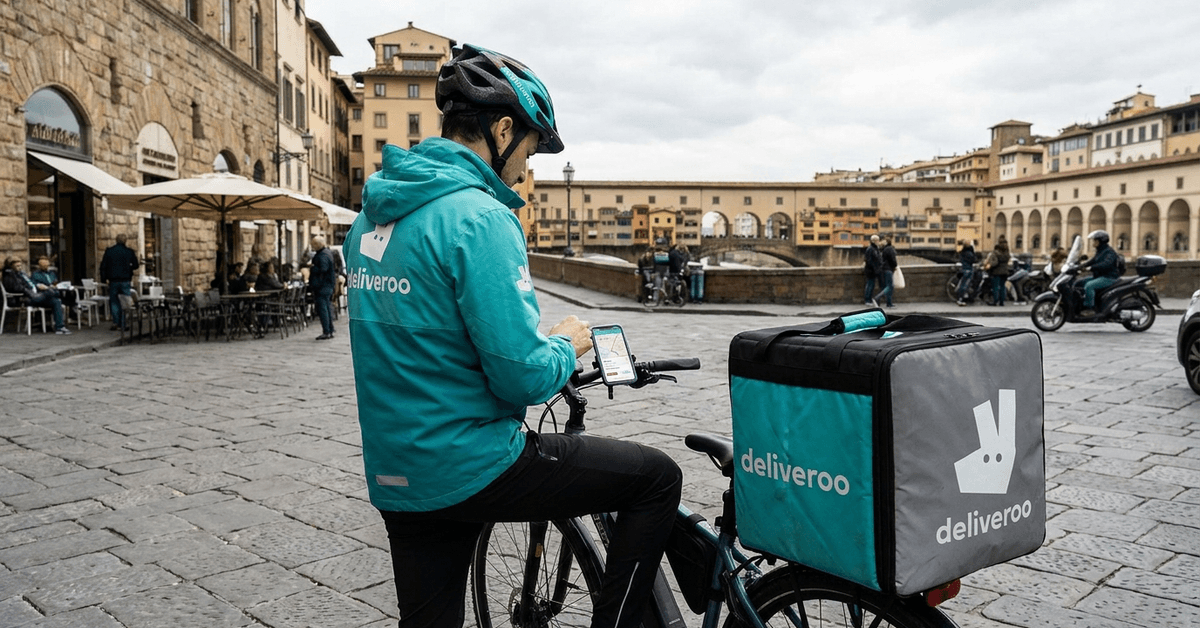
Deliveroo is one of the most recognized food delivery platforms in Italy. For many, becoming a Deliveroo rider provides a flexible way to earn income.
This article is built for those exploring how to start as a Deliveroo rider, especially newcomers in cities like Milan, Rome, Turin, and Florence.
If you're keen to discover how the process works, which documents you’ll need, and how to increase your chances of approval, read on for a detailed guide.
How the Deliveroo Rider Application Works in Italy
The application process in Italy is designed to be simple, yet thorough. Applicants can start online, making the procedure accessible for both citizens and legal residents.
It's often helpful to review Deliveroo's official requirements, although some regional variation does exist.
Basic Eligibility Requirements
- Minimum age: 18 years old
- Legal right to work in Italy
- Access to a smartphone (Android or iOS)
- A bicycle, scooter, or car that meets legal standards
Milan and Rome typically receive the largest number of applications, but opportunities exist in smaller towns as well.
Documents You’ll Need
The document check is crucial. Prepare the following:
- Identification: Valid passport or EU identity card
- Permesso di soggiorno (if applicable)
- Valid driver’s license for scooters or cars
- Proof of fiscal code (codice fiscale)
- Bank account details (IBAN)
Digital copies are required during the application stage.
Application Steps for Deliveroo in Italy
Applying to become a Deliveroo rider in Italy involves completing online registration, submitting required documents, and selecting a delivery vehicle.
Understanding each stage of the application process can help candidates prepare effectively and avoid unnecessary delays.
Registering Online
Starting your Deliveroo rider application requires creating an online profile and providing accurate personal information. Checking availability in your preferred city can help you understand potential registration requirements and waiting periods.
- Visit the official Deliveroo Italia website
- Go to the rider sign-up section
- Fill out the basic profile details (email, name, preferred city)
The system may display waitlist notifications in areas with high demand.
Uploading Required Documents
Submitting complete and accurate documents is essential for verifying your identity and eligibility to work in Italy. Preparing identification, tax information, and vehicle-related documents can help simplify the verification process.
- Upload ID, permit, and driver’s license (if needed)
- Add your codice fiscale
- Submit proof of working status and IBAN
Deliveroo performs a background and eligibility check at this stage.
Selecting Your Vehicle
Choosing a suitable delivery vehicle depends on your location, transportation preferences, and operating expenses. Understanding the requirements for bicycles, scooters, and cars can help riders select an appropriate option for efficient deliveries.
- Bicycle: Often preferred in dense city centers
- Scooter: A good choice for suburban neighborhoods
- Car: Useful in larger zones and late-night shifts
Your selection may influence your shift offers and route types.
Signing the Rider Agreement
Applicants must accept Deliveroo’s digital contract outlining obligations, payments, and insurance coverage. Italian labor laws now require clear, written agreements for all riders.
Completing Safety Training
Deliveroo requires health and safety training modules. These are provided online and usually cover road safety, food hygiene, and incident protocols. Most modules are available in Italian and sometimes English.
Choosing the Best City to Start Riding
Choosing the right city for Deliveroo deliveries involves considering local demand, traffic conditions, and potential earnings. Comparing delivery opportunities across locations helps riders plan efficiently and maximize their earning potential.
Milan
Milan is among the busiest markets for Deliveroo. Routes are compact and there’s constant demand during lunch and dinner. Bike couriers often find work near Porta Romana or Navigli.
Rome
Rome’s historic core means short but numerous deliveries. Traffic congestion and pedestrian-only areas influence vehicle choice. The Trastevere district often offers opportunities for sustained shifts.
Florence and Turin
Florence is cyclist-friendly, but demand peaks around the historic city center. Turin’s flat terrain makes it good for both bikes and scooters. Each city’s local regulations can affect delivery zones.
Essential Apps and Tools for Deliveroo Riders
- Deliveroo Rider App: Central for managing shifts, orders, and earnings
- Google Maps or Waze for navigation
- WhatsApp for group chats and support (many rider communities operate locally)
- XE Currency for tracking payments if you're an international rider
Cities like Bologna and Naples often have informal Telegram groups to share tips or notify of high-demand periods.
Tips to Maximize Efficiency and Earnings
Improving delivery efficiency and maximizing earnings requires smart route planning, effective time management, and controlling expenses. Following practical strategies helps riders increase productivity and profitability.
Optimal Shift Scheduling
Booking preferred times is possible via the Rider App. Peak times are usually from 12:00 to 14:00 and 19:00 to 22:00. Favor weekend afternoons and evenings for higher volume.
Understanding Incentives
Boosts and challenge payments offer extra income. These can be location-based, so some cities pay more per order during holidays or events.
Adapting to Weather and Local Events
Rainy or cold weather tends to increase demand. A basic waterproof jacket and quality phone holders help with efficiency and safety during harsher conditions.
Understanding Legal Requirements and Tax Obligations for Deliveroo Riders
Working as a Deliveroo rider in Italy requires understanding employment regulations, tax responsibilities, and insurance requirements.
Reviewing legal obligations, contractual conditions, and applicable tax rules can help riders stay compliant, avoid penalties, and manage their delivery earnings responsibly.
Work Status and Insurance
Deliveroo riders in Italy are generally classified as self-employed collaborators. Check local regulations about INAIL (work accident insurance) and health coverage. Deliveroo often provides a basic insurance package, but conditions vary across cities.
Tax Registration and Invoicing
It’s necessary to register for taxation as a freelancer (regime forfettario is popular among new riders).
Many use tools like Fiscozen or consult accountants to issue electronic invoices and track annual earnings. Not keeping accurate records can lead to complications with the Italian tax office.
Staying Updated on Local Rules
Municipal rules sometimes restrict delivery hours, especially in historic centers. It’s wise to follow updates via the Comune’s official website or local rider associations for best practices and changes in regulations.
Conclusion
Becoming a Deliveroo rider in Italy offers flexible earning opportunities for eligible applicants. Preparing required documents, understanding local regulations, and choosing a suitable vehicle can simplify the application process.
Considering delivery demand, city conditions, and operating expenses helps riders work efficiently. With proper preparation and responsible planning, Deliveroo can provide a practical option for flexible delivery work.